jonas kept me indoors and stitching while the white flakes were flurrying furiously out of doors. stitching while drinking copious cups of constant comment tea. time to think while i stitch. stitching and staying present. the needle keeps my mind fresh and fingers nimble. watch the thread, like a bell, a prayer wheel, staying with it. mother reads and cleo snores gently. rory guards our home while we sit out the storm.
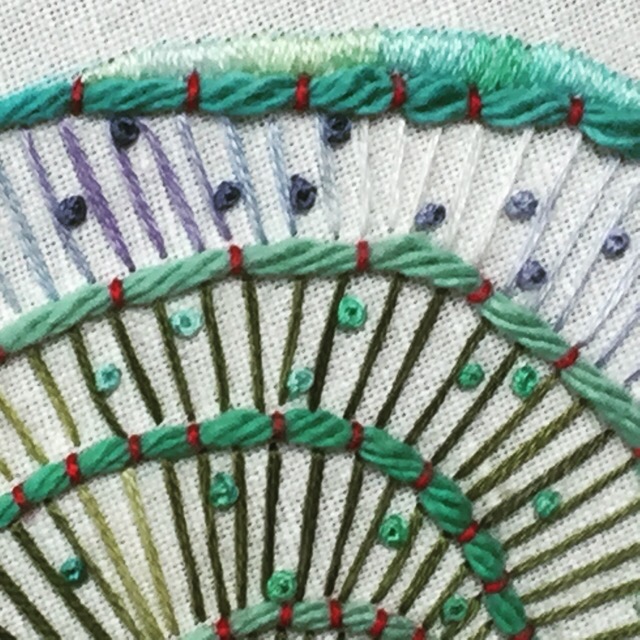
Prayer Wheel – spokes
Prayer Wheels
moving through the piece
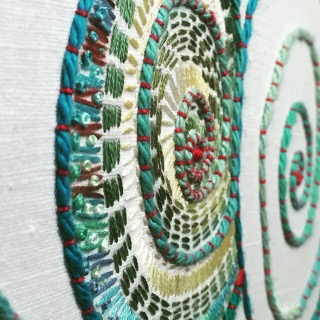
Prayer Wheel – Edge
Top Down
sharing the process
overview
time for more tea. Thoughts come. Go. Pass through the wheels.
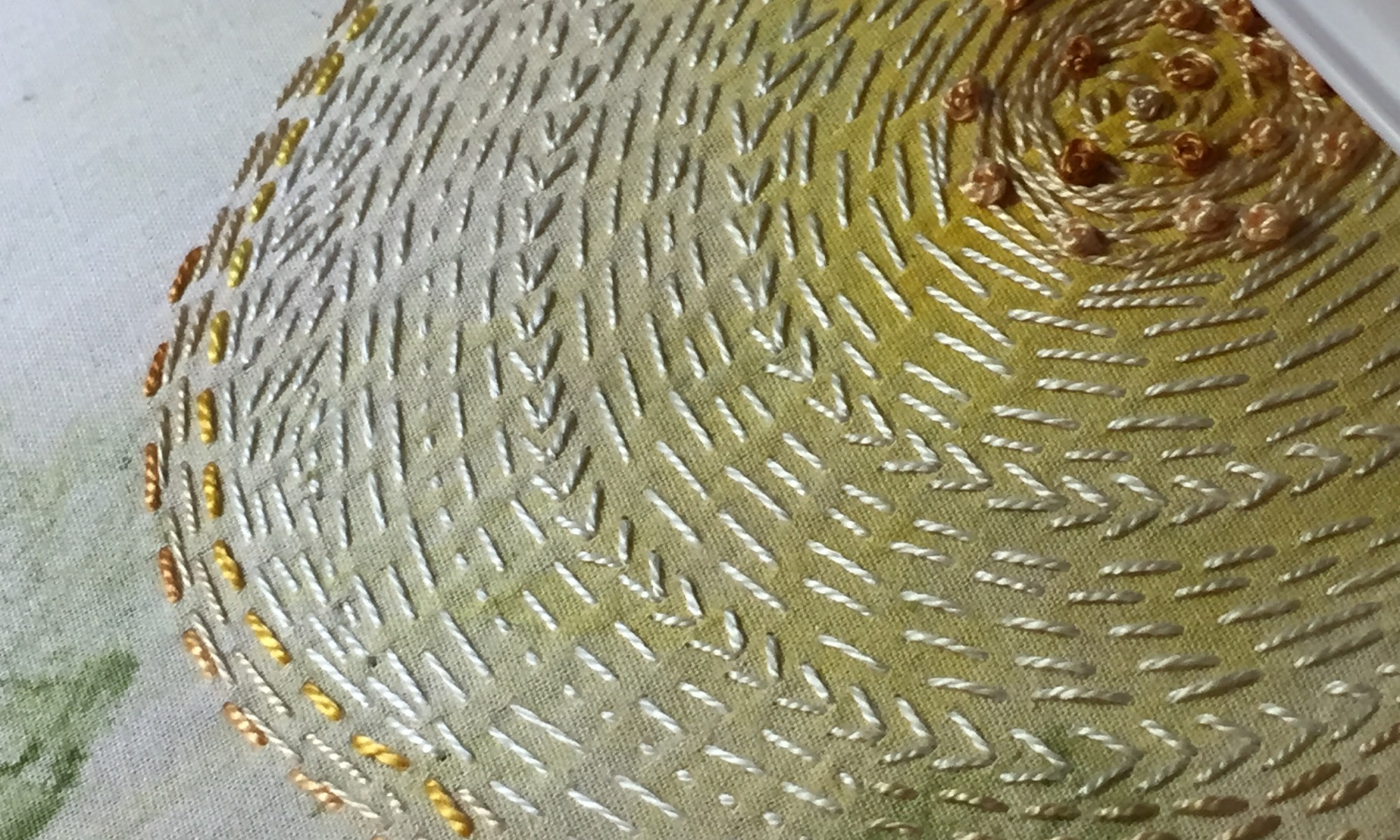
Eco-dyed and monoprinted muslin with pearl cotton stitching.
One photo shows the stitches close up. I am fascinated with Sashiko, a Japanese backstitch style, but I have adapted it to my style. Tradition is good, but Bessesdotter employs non-traditional work because there is a deeper feeling of self expression that makes the art close to me.
I’m in love with the look of the perle cotton against the ragged eco-dyed muslin. The muslin was a scrap from dressmakers patterns and is being put to good use instead of throwing it away. My golden stitches remind me of a spiders web or perhaps a comet with a tail. The sewing is slow–deliberately slow–but not intentionally placed. It is more of a ‘let the needle find its path’ type of sewing. Nothing is planned here–all is spontaneous working of the threads and fabrics together.
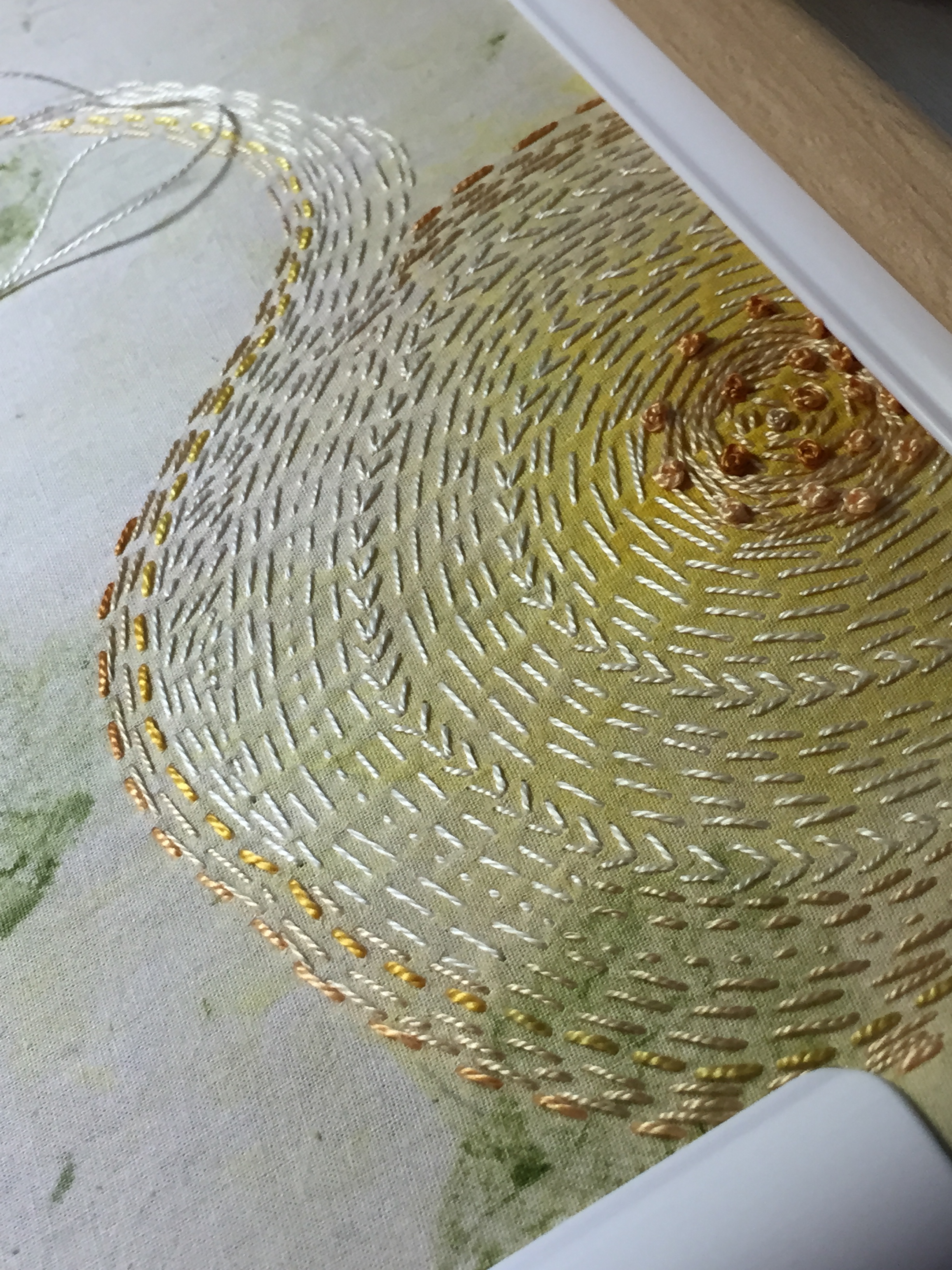
The second photo shows the setup better—I’ve recently acquired a Q-Snap Hoop and an Edmunds standing frame. It is more comfortable to stitch on smaller project like this one which is about 30″ x 18″ piece of muslin.
Embroidery in my Q-Hoop frame set in an Edmunds brand standing wood frame. Perfect for stitching. Antique wood arm chair: leopard print.
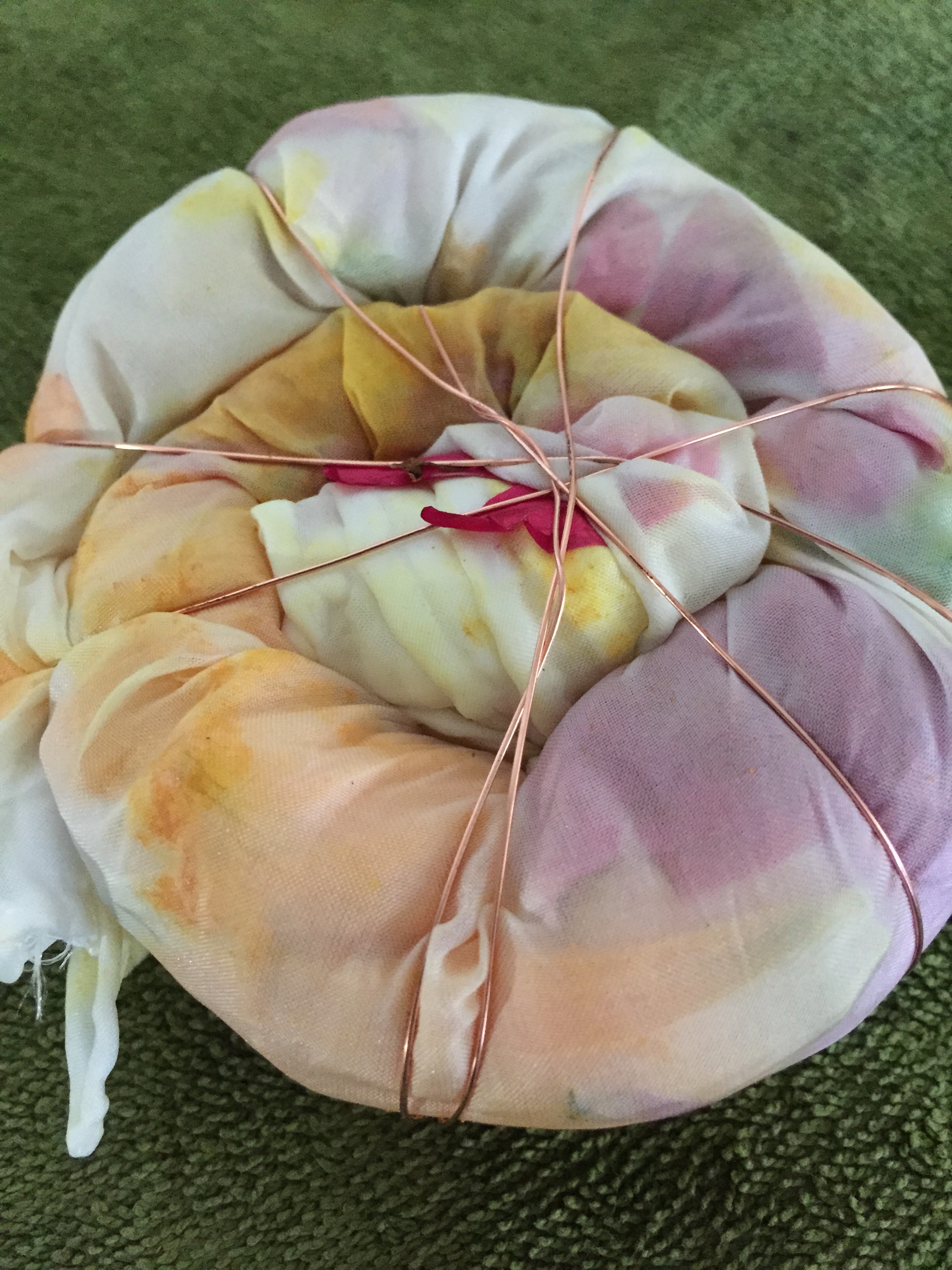
Spiraled silk stuffed with garden blooms, wrapped with copper wire
Deadheading annuals and perennials is no longer such a chore, now I look forward to gleaning the spent blooms to eco-dye fabrics that I can use to create intentionally embroidered objects.
Sunday I bundled a dozen silk fabrics with zinnias, hibiscus, maple leaves and some native Pennsylvania wildflower heads, with various tea leaves and spices, rolled them up tightly, wound into spirals and wrapped rightly with copper wire. Placing them into zipper bags with vinegar and then into a small washtub to wait…2 – 3 weeks before removing them and drying the fabrics which will then be ironed.
Its a hedgewitchy-alchemical process, the gathering, crushing the flowers, making these brews and the waiting. Its a slow process. And much slower than opening a tube of paint and squirting it out, blending and brushing it onto a canvas. It is spontaneous though and allows for much experimentation which I appreciate.
Waiting Marigolds
Wrapped Rose Petals
Red Cabbage Rose Hips
Locust Tree Nut Shells and Spices
Turmeric and Zinnias
A Dozen Working
This is part of an evolution that I am in—-slowing down—-making the art slowly, mentally absorbing the process documenting it. The waiting, wondering which blends will be favored and successful. When I woke this morning, I checked them first, as they reside in my bathtub, packed into a small red washtub, the aroma of flowers and spices hit me full in the face. What a pleasant way to make art.
Spirals are making their way into my work again, aboriginal and abstract, the essence of life, they are an image that seems to be often found in my art.
I’m using the red……
the essence of what connects as humans.
women to their children.
bloodlines.
The Red and The Blue.
Mitachondrial DNA.
Green. Life. Planet.
Couching silk/bamboo yarn onto a vintage linen napkin. Red threads were used traditionally in Red Work Embroidery and Turkey Work.
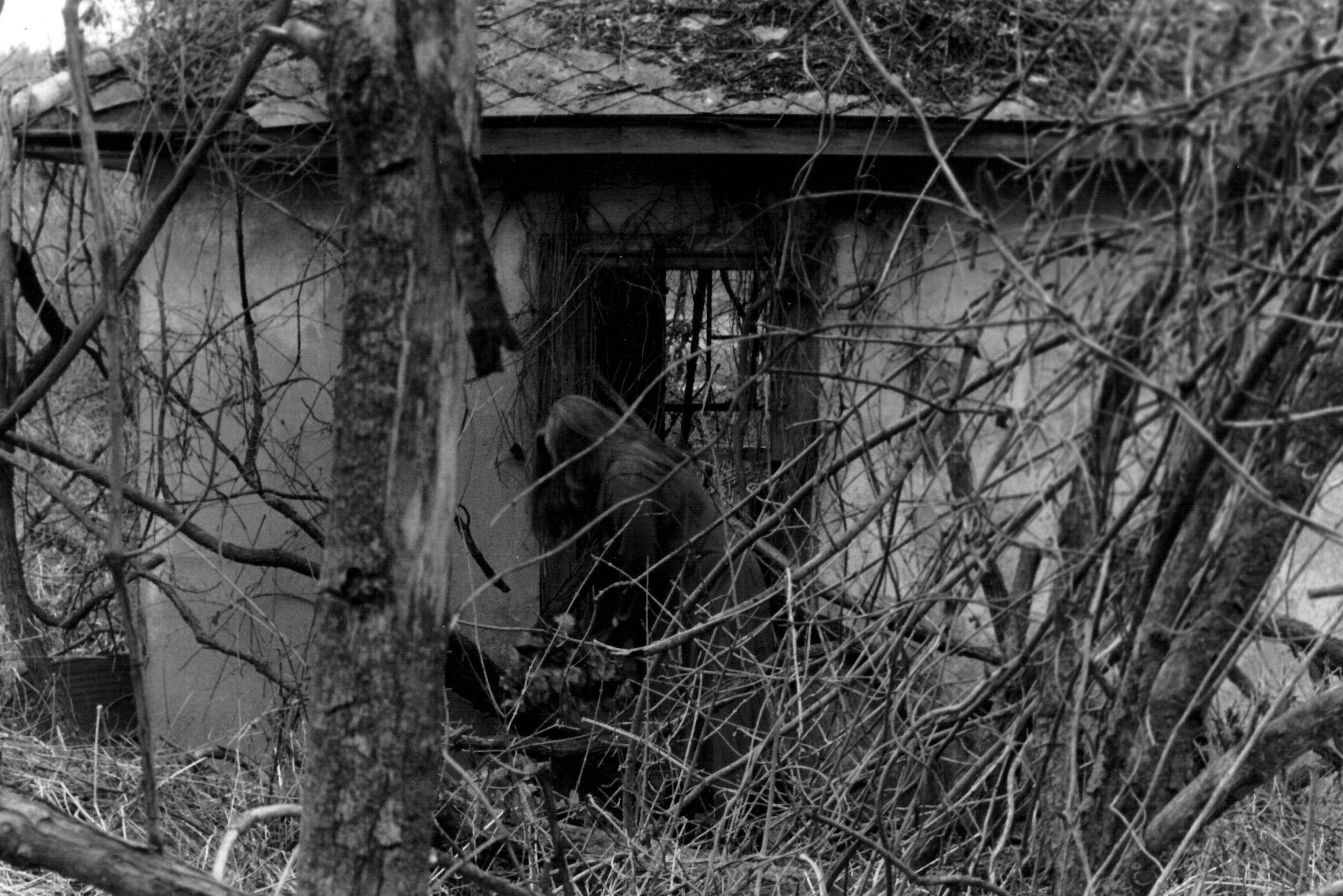
Like other Melusine’s I’m drawn to the woods, its not just the gloaming, but everything about the forest dwells in my heart.
Open Door
The death-quiet, a merciless monument that I enter as a noisy intruder that I’m certain the residents resent. I imagine scurrliness messengers warble warnings, Shee-zeer! Shee-zeer! My imagination is more about me than I desire. I wish to be as Sleeping Beauty thinking they are noticing me. But they are more concerned with their tidy lives, made in instinct and lived moment to moment.
Quietly making my way along the tangled trees, brambles, briars and bracken I can pick out favored shelf fungus, crumbling lichens and indian pipes along the paths. There is delight in the decay as the forest makes itself over flourishing its broken down limb littered leaf-decayed floor.
There’s an aroma that lifts from damp leaves, moldy with ashey spots and black rip edges as they catch on my feet. Twining twisted vine twirl about me in a rage at the dying of the season.
A token of love
I bring man-made artificiality to the Nature. Diminutive in stature compared to the Nature, the human makes its mark in creating tawdry and putting a price on it.
We churn it, first in the making, then the marketing, the amassing and finally the discarding. We cannot dig our holes deep enough to contain the baubles. Steady streams run-off products and by-products and the empty worth trailing off into now-nothingness. Land. Ocean. Space. Will fill them all.
Tooth & Claw
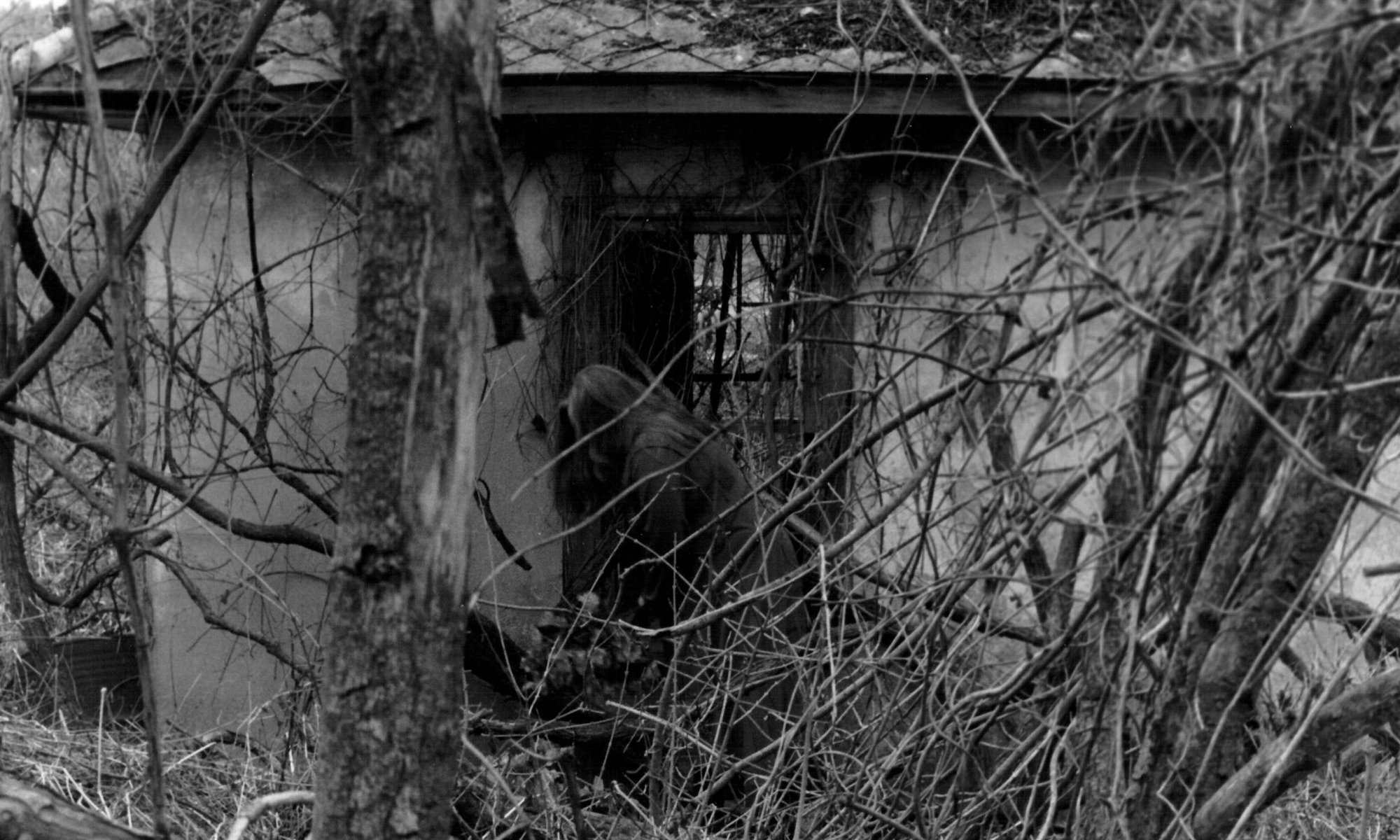
An installation and self portrait I created in the woods 2002—Photographed credit: self.
People often ask how I create my watercolors. Next time I perform this process I will make a video but here is a description in the meantime.
I cover the floor with as many pieces of high quality watercolor paper that I have room for. I thoroughly wet the paper(s) with water by either using a spray bottle or large 4″ brush. This wetting is a throwback to a time when I soaked paper for printmaking. Next, I mix the colors I that feel or look good to me at the time. No planning, but I do select color based on how I am feeling at the time. I use the tools at hand, literally my own hands work the large washes along with huge mop brushes, but there are fingerprints, and a sleeve dragged (possibly) through the work during the original throwdown of paint onto paper. The brush does a loose dance and my fingertips direct the magic. I allow the wind, sand, bark or other fragments of the life from Gaia come into the work. Mother Earth has her hand in the painting as she allows a leaf to settle or insect to walk across the paper. Often I find objects or materials to use as resists. Some resists are added supplies from the kitchen–often an experiment and sometimes products that I have used before. Salt is a common additive, but oats might be chosen instead.
I allow the paint to pool in deep rich colors or pale watery shades. Then I leave. I rest and let my creations solidify. Usually, I sleep and dream about what is brewing on the paper, my dreams are strongly connected to the work at hand. I have contemplated how much my dreams direct the paint but it is speculation. My imagination though is given wings to soar from the dreams which in turn helps the creation move further along. Sometimes, at a point of partial drying I check back and add more pigments, squeezing the drops out of the brush and allowing them to fall, gravity does the work. Although I often work in series, every piece has its own method, its own manner of coming into being even though they are pointed simultaneously. They are living creatures that continue to thrive under my guidance. It is an intuitive process. I feel connected to the work and allow the paintings to emerge–letting the melange of images come forward and speak out. But its only the beginning. They need time, to flower, to open: to be interpreted further. After all the paintings are dry they are stacked and weighed to keep them flat until I am ready to proceed with adding ink. In Part 2 I will discuss the next layer – Inkwork.
When I was a kid I drew. And painted. Everywhere. I am born to make things. Kinetic. Creator.
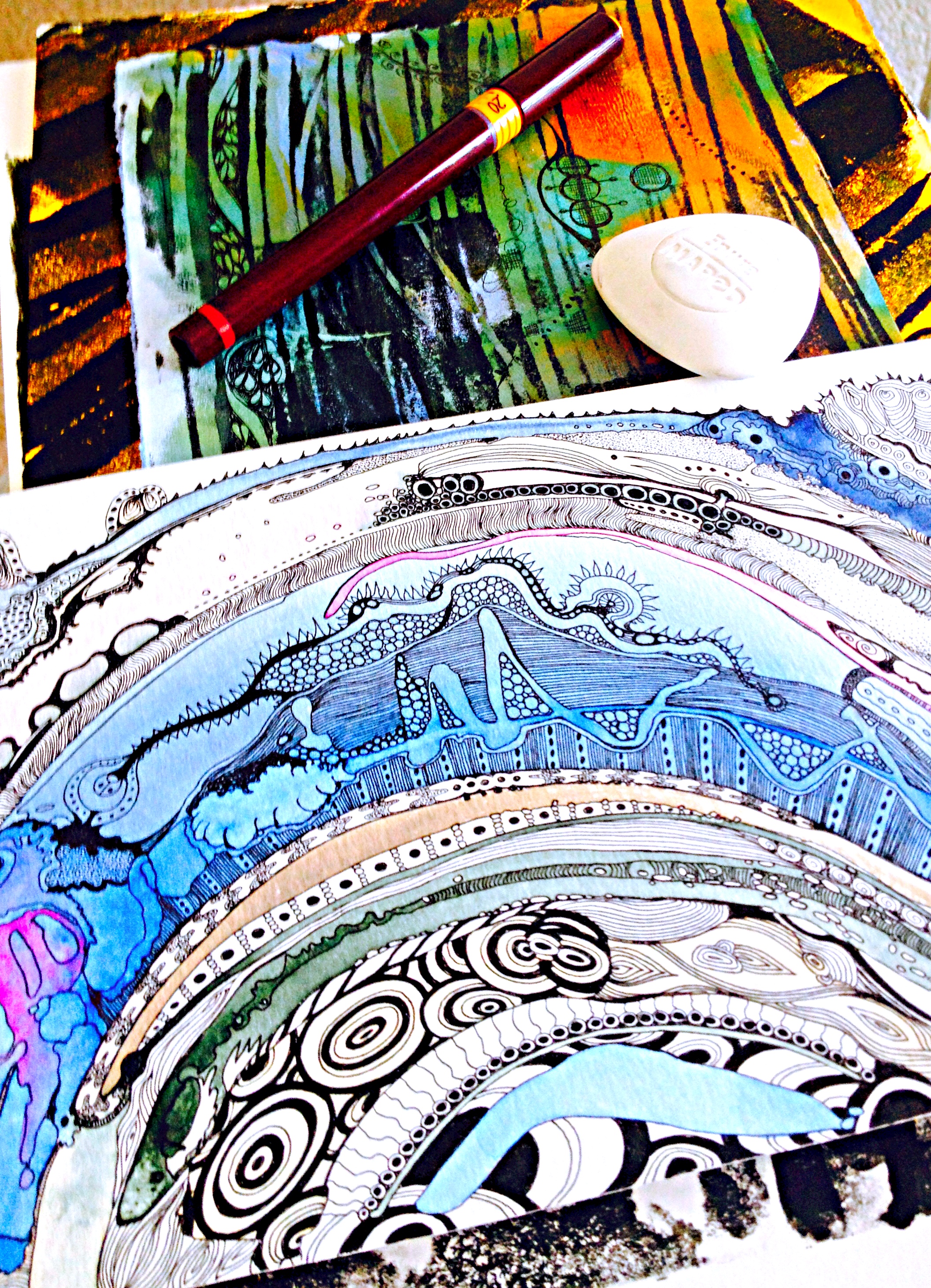
In progress – watercolors, acrylic mono prints, ink pen and eraser.
I never thought about where the objects I made would hang. Never cared if they sold. Those concepts never entered my mind. All my life I made art to make it—no choice–more like a compulsion. Last Thursday, I went to the NYC gallery where my painting is on display. Friends and family were with me and that made it more real for me that my work is hanging in NYC. I’ve heard others describe it as a dream they always wanted even from childhood. Odd that it never crossed my mind as being that important although I exhibited a few times in the 80’s because I was invited to do a small show.
Until a few years ago. I turned 49 and was on the upswing to 50 when I made a decision that I would exhibit again. I called it Aurora The Third Act. Aurora is goddess of the dawn and what a dawn this has been these 4 years. I am so pleased to be accepted into NAWA and have work in the annual exhibit. And pleased that I create work that brings pleasure to so many people. Although it can seem like it is about me, the artist, its not. Its about the viewer. You. Its about what you see and how you feel and where it leads you when you view the art I make. Together we make art an experience.
This photo is a picture of my tools and work in front of me. I work at a constant pace on paper and reserve my longer bits of time for larger paintings. The small work gets me through rough patches when time constraints are pushing me to and fro, or space is limited and I am on the go. Much like a knitter takes their work along, I take small paper drawings and pens. This work probably won’t end up in a gallery setting but I make it anyway. I use all my skills to create the best possible work at any given time or using any medium.
Lately, string is pulling me into hours of reverie, inventing images in my mind about what I might make with a crochet hook. I have a painting on an easel at home and one in the studio. Yet I don’t feel inspired to go to work on them. Summer was a series of trips and events that took me from home interspersed with the death of 4 people I know. Their passing has left me feeling very bereft and I think of them several times a day. I can’t see them again and have conversation or ask questions, smile with them, hold their hand. Mortality is rearing its head and I am interested in how that plays out in life and art. Life goes forward. So will the art.
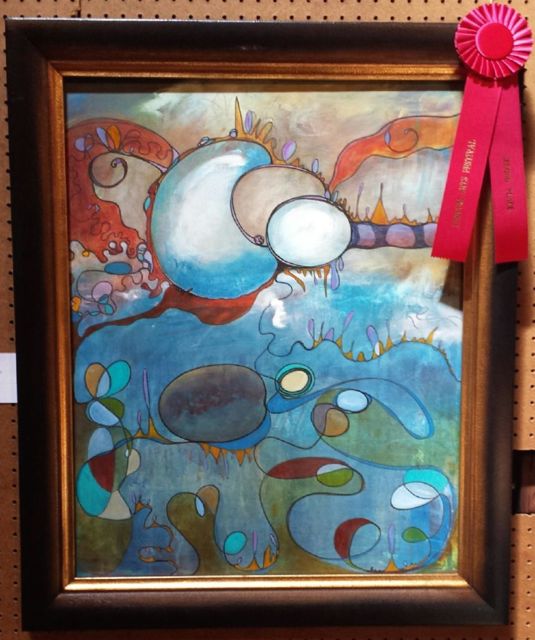
“She’s in there Somewhere” 24″ x 36″ Acrylic on Canvas“She’s in there Somewhere” Acrylic on canvas.
“She’s in There Somewhere” Acrylic Painting is going to be exhibited in NYC at the Syliva Wald and Po Kim Gallery with N.A.W.A. The National Association of Women Artists. First exhibition in New York in many many years. I had a show in NYC in the early 80’s and then moved to North Carolina with my family, got married and let my art career go. It is not an unusual story for a woman to give up a career but I am thrilled to be back in the city and to be a part of a great organization like NAWA.
The piece won an award in Bucks County and sending it to New York is pretty exciting. Thanks to everyone who encouraged me to do this – as always you know who you are!
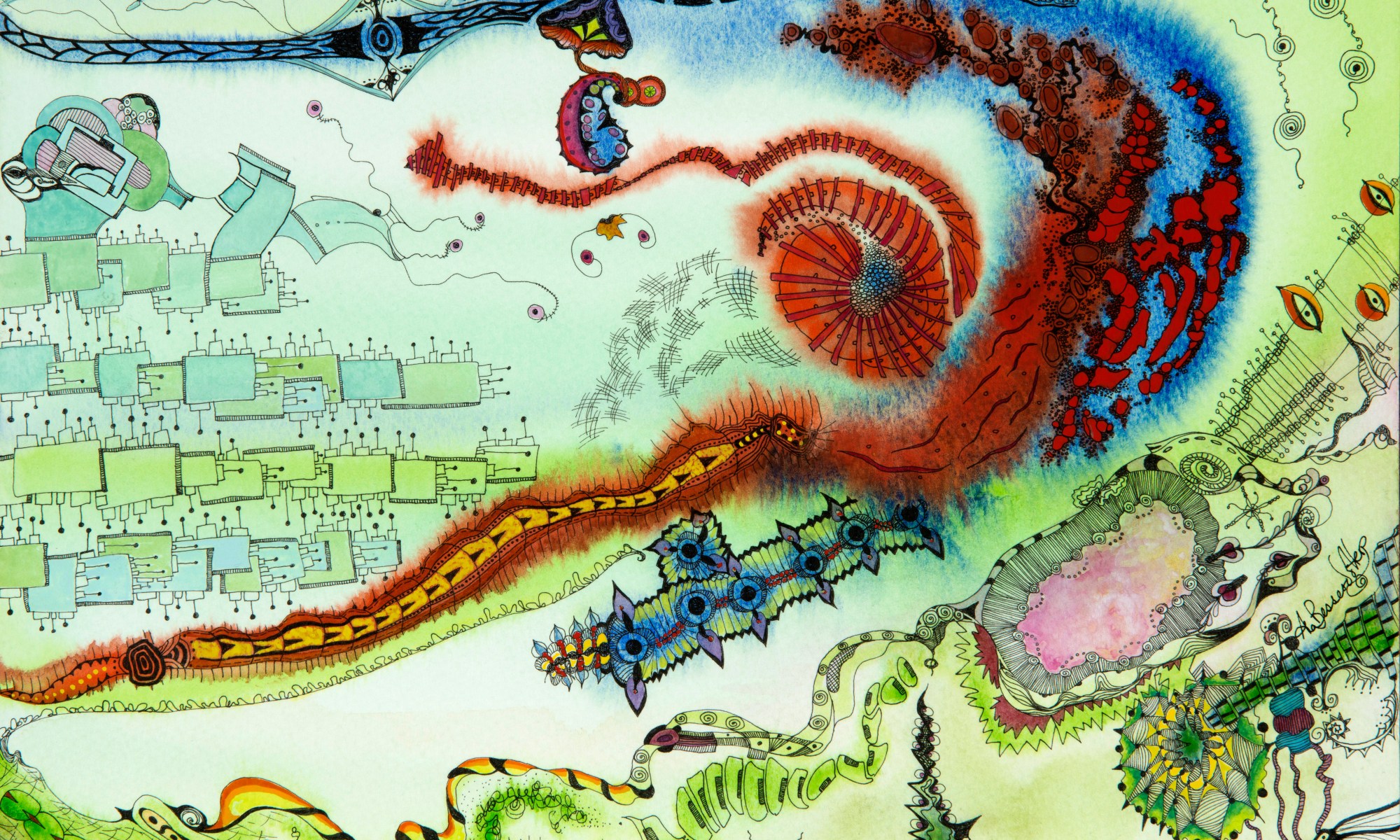
“Music Taking Off” Watercolor and Ink on paper 2014.
Recently, this question appeared on my social media wall “alison, i’d love to know the artists who resonate the most with you…your work really is so incredible. influences? i know you said you’re self taught but i keep thinking i see threads of various artists in your work and i’m wondering if i’m correct.”
Today, I am still not sure about which artists influenced me. I was so busy working at full time jobs and my spare moments were spent making art that only occasionally would I see art made by other people and it wasn’t my focus. It never occurred to me to study other peoples work. I have my own ideas–why would I need to look at someone else’s ideas? I wanted to explore and figure out why this color works here or there, how this shape bumped up against that shape creates a certain feeling. I was not dealt the career card as a patron of the arts. The career card I was dealt was to be a Creator. Anything else doesn’t satisfy me. Its all I can do to wait until every event is over so I can get back to paint, sketch, plan, draw, sew and tinker with artwork. Being a Creator is the most important task on earth. I can imagine what you’re thinking, artists don’t save lives or rescue people, which are of course very important tasks. But I see it differently. Whatever objects have lasted for centuries that human hands created are collected and cared for. Museums and private collections are filled with items that human beings made and left behind. Some are practical and some are fancies of imagination. But no matter, they are valued. What I make is what civilization craves. The visually delicious colors of my palette, the feel of the surface I paint on, the softness of the cloth are a few things that drive me to create. Perhaps I am self absorbed, but I am here to create!!
The concept of art came to me as though it was just a part of me–but writing and reading were much the same. The earliest memories I have are of sunlight coming through leaves and creating sparkling color. After that, I began making marks and using colored crayons and pencils but most importantly the way it made me feel–as though I could create anything and the simple joy of holding onto an object that made lines or scribbled and filled in areas held so much pleasure. I grew up in rural Bucks County, in an old house with a big lawn, garden and woods. I rambled along in our old house and drew and colored everything in my path—until my mother explained that the walls were not to be drawn upon. That left me with one choice, hide the work behind the sash of the doorways. That was not what the adults expected. I burned my fingers and the bridge of my nose trying to get sticks to burn in the fire so as to draw black marks on old stones. The scar is still evident on the bridge of my nose. Our family books were fair game as I drew and colored in the borders of pages with colored pencils. Compulsive Artist comes to mind as an adult, but as a child I just pressed forward until paper, felt markers, crayons and brushes came regularly into my hands. Then at age 4, I entered school, very unwillingly, and saw a portrait of George Washington which I promptly copied. It looks like it was completed by a teenage student rather than a kindergarten age girl.
Where does my talent and drive come from? Agnes, my grandmother wove braided rugs and was renowned for her use of color and balance. Often I am compared to her, we share our countenance and acumen, and especially the same eye for color and natural sense of balance. My grandfather, Bryan would take us on explorative walks in the rural area where we lived, played music and talked to us of lofty ideals and philosophy. When I drew a portrait and painted the face green, my mother defended my choice to any naysayer and that was that. Riding my horse throughout the Bucks Country countryside is where many of my images come from today. I spent a multitude of hours inspecting ice formations, leaves, rocks, bark, mushrooms, field grasses, insects and more. Everything was fascinating to my eyes–I still fall in love with the earth and its plant and insect life every time I get to inspect the beauty of it all.
In high school I was tested and scored into the .01 percentile for spatial relations. The counselor suggested that I could play chess and be good at logic and math. Which is true. After high school, I worked in a greenhouse and attended local life drawing sessions at an old church down the street. These were wonderful sessions with live models, we paid a few dollars and could sit and draw and paint for 3 or 4 hours. My favorite technique was to use big loose watercolor washes to describe the figures before me. Visiting the art store and library were my main sources of information. Once being too broke to get supplies, in desperation I took some india ink from an art store without paying for it. That thievery has haunted my memory for most of my adult life.
Around the age of 20 I visited the Smithsonian and saw Japanese woodcuts and was curious enough to look up information at the library. I went to a lumberyard and bought a plank which I had them cut into 12″ sections and proceeded to cut with lino cut tools. The blocks were then printed with a bamboo baren and pulled by hand. My first woodcut is called “For Timothy” and was a gift to my dying cousin. Moving to Charlotte led me to find an artists co-operative that had a printing room with presses and every supply available to use, plus books on how to make etchings and lithographs. I spent several years there teaching myself several different printing techniques. The final works in that studio were experimental. When I was cleaning up color inks I printed monotypes from the leftovers. These prints were discovered by a local anchor person and they did a newscast on me. One artist whose work I admired at the time was Georgia O’Keefe because there was a calendar hanging up in the co-op. I took a class in 1989 in ceramics because I was tired of printing chemicals. The ceramic process did not suit my character.
I relocated to New Jersey in the mid-90’s and taught myself oil painting and then watercolor and pen and ink. I hung work in galleries and sold some of the paintings. As usual working a full time job left me only a few hours a week to make art. Not long afterward I got married and moved frequently due to my husbands job. During these years, I became an award winning pie baker, beekeeper, organic flower grower, embroiderer and worked in threads, learned to knit and spent any extra time time painting in watercolor and ink. The mobility of small watercolor pans and pen and ink really worked for my lifestyle. In 2004 we lived in the Lehigh Valley for about 8 months. I took 2 classes at the Baum School fully intending to work toward an art degree. I put a portfolio together and was accepted to Kutztown University. Life took a weird turn and I became very ill and was unable to attend college. We moved away and then a divorce in 2010 brought me back to the Lehigh Valley. At which time, I began to use textiles and quilting as a medium. I taught myself how to sew with a machine, cut fabric and quilt. Painting in watercolor was continued and the watercolors were exhibited as well as the works in fabric. In 2013 when I packed up my Allentown studio, I taught myself to use pastels because they were the only tools not packed away. Right after that, upon moving into the Banana Factory studio, I decided to paint more often. The small size of the new studio determined the next move, the decision had to be made: oils or acrylics. I had never used acrylics in a major way and decided that would be the method due to the ease of cleanup. I still work in many mediums. I still don’t know the names of many artists. Whenever I had the chance to see the paintings of Van Gogh in the Netherlands I did. When I was in St. Petersburg, Fl, I went to the Dali Museum. Whenever I was in an art store I purchased supplies that looked interesting and experimented and taught myself to use them. Before the world wide web and search engines I learned to work with the materials and tools that artists use because that was all I had.
I wanted to respond right away to my friend who asked the question, but life got in my way first. Tonight, I found in my response that my art has little to do with other visual artists. It is more about my early life, my family and just being alive on earth: a speck in the universe who wants to leave her mark.












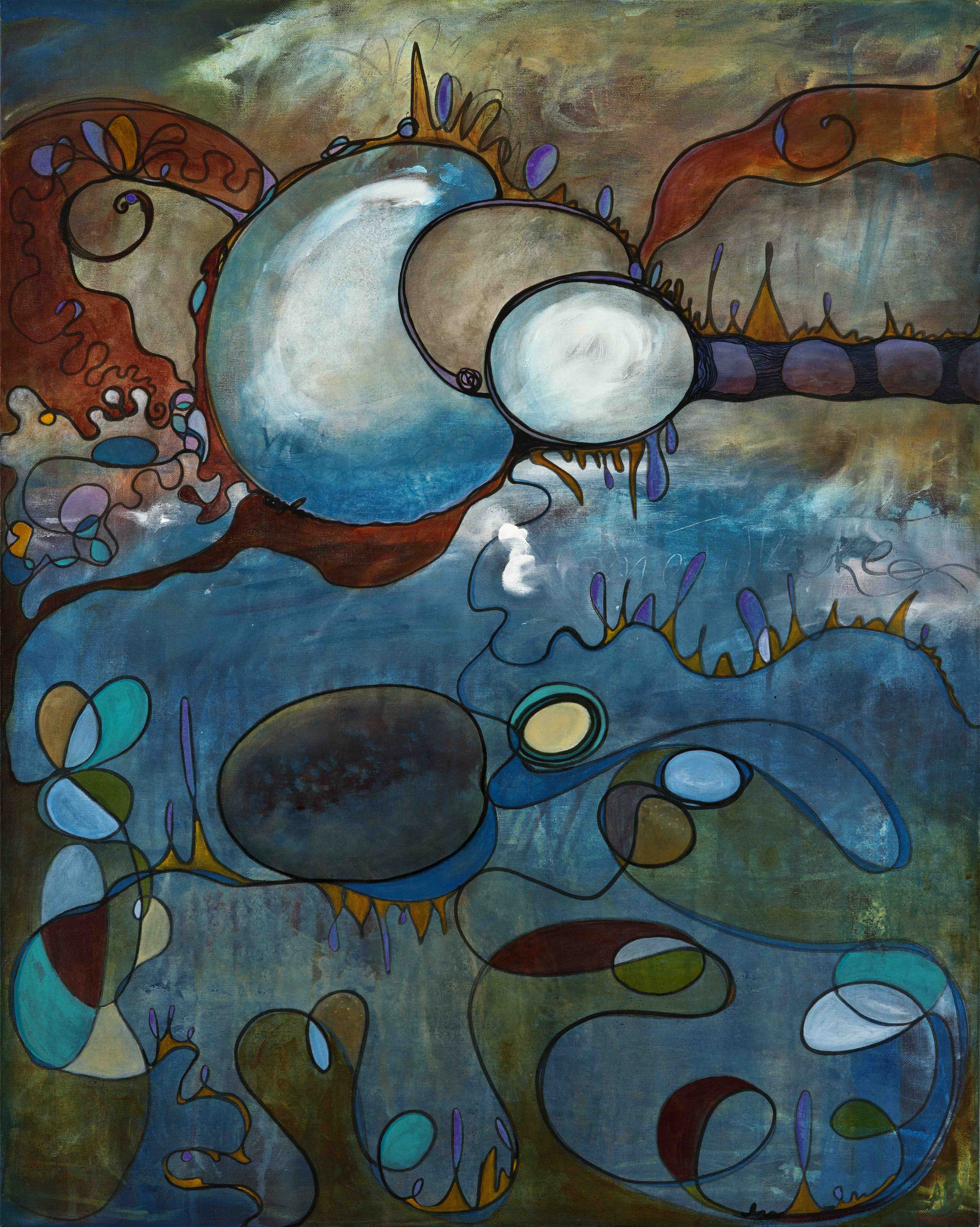


 Boundless